

Becoming a Military Doula: Serve Families with Heart & Use MyCAA to Fund Your Training
Why Military Spouses Are Perfect for the Role
Military spouses are uniquely positioned to serve in this role. You've lived the lifestyle, you know the challenges, and you understand the support gaps that exist within the community. Becoming a doula allows you to use your lived experience to make a difference—while also building a career that moves with you wherever the military sends you.
The journey of becoming a doula is one filled with purpose, compassion, and a deep commitment to supporting others. For military spouses, this path can also offer something uniquely empowering: a portable, meaningful career that supports not just birthing people, but the entire military community. Even better? You may be eligible to have your doula training fully funded through MyCAA.
What Is a Military Doula?
A military doula provides emotional, physical, and informational support to families during pregnancy, birth, and the postpartum period—with a special focus on the needs of military families. These families face unique circumstances, from frequent moves and deployments to navigating TRICARE and limited local support systems. Military doulas can understand these challenges and are equipped to offer culturally sensitive, informed care.
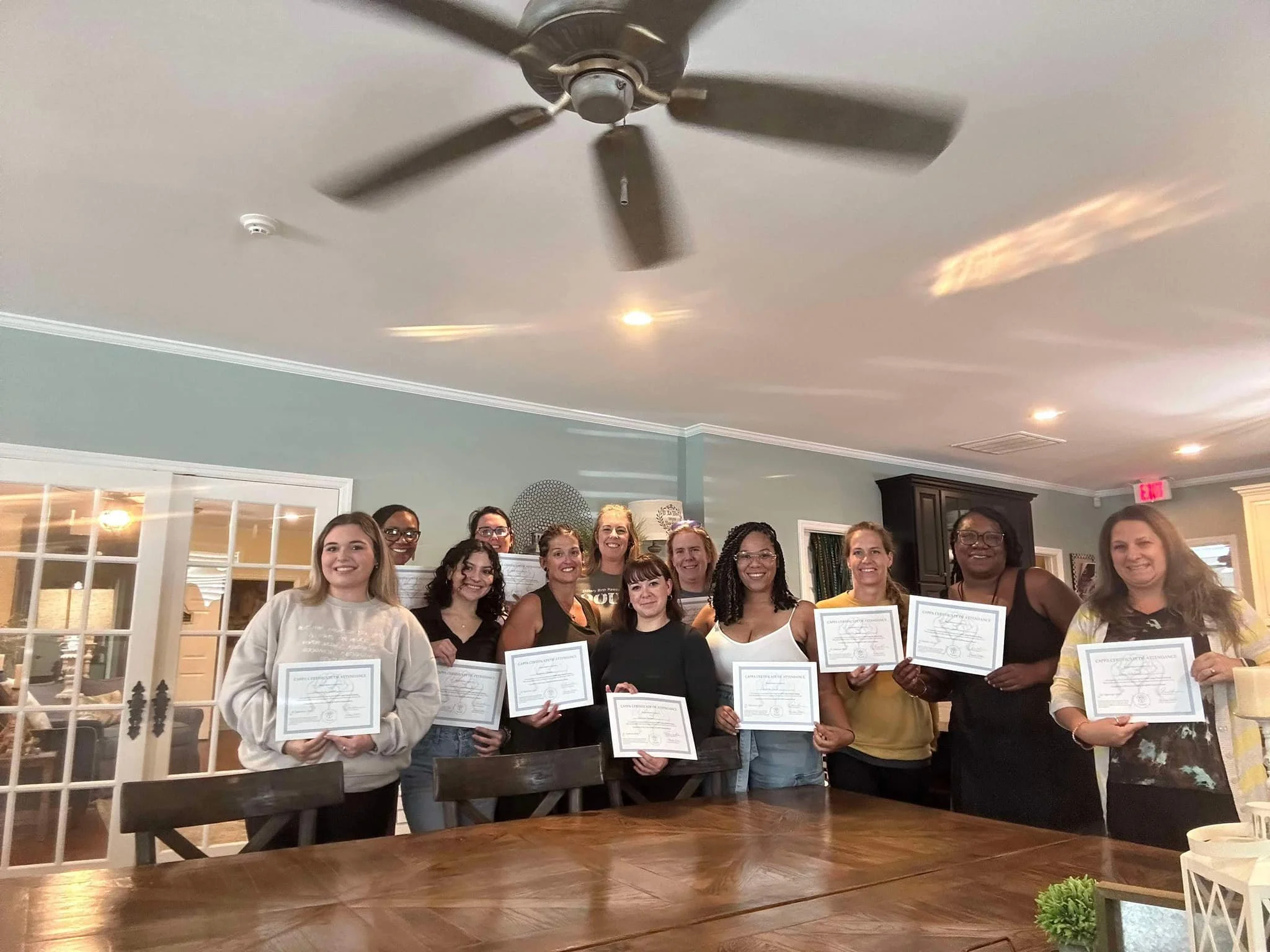
Whether it's supporting a pregnant military spouse or member while their partner is deployed, on active duty or being the one consistent presence during a time of transition, military doulas play a powerful role in helping families feel seen, supported, and empowered.
Why Military Spouses Are Perfect for the Role
Military spouses are uniquely positioned to serve in this role. You've lived the lifestyle, you know the challenges, and you understand the support gaps that exist within the community. Becoming a doula allows you to use your lived experience to make a difference—while also building a career that moves with you wherever the military sends you.
How MyCAA Can Help
The My Career Advancement Account (MyCAA) is a Department of Defense program that offers up to $4,000 in tuition assistance to eligible military spouses pursuing licenses, certifications, or associate degrees in portable career fields. Becoming a certified doula falls within these guidelines, making this a golden opportunity to get trained at little to no cost to you.
To Qualify for MyCAA, You Must:
Be a spouse of an active-duty service member in pay grades E-1 to E-5, W-1 to W-2, or O-1 to O-2
Have completed high school or obtained a GED
Be enrolled in an approved education or training program
Note: National Guard and Reserve spouses are also eligible when the service member is on Title 10 active-duty orders.
What my training covers:
A comprehensive doula training programs cover:
Childbirth education
Comfort techniques for labor
Postpartum support
Lactation education
Trauma-informed care
Business basics and ethics
Cultural competency for military families
Starting Your Doula Career
After completing your training, you can begin working with clients in your community, if that suits your lifestyle better. Many military doulas choose to work independently, while others collaborate with agencies, hospitals, birth centers, or nonprofit organizations that serve military families.
You’ll not only be creating a career for yourself but also stepping into a role that truly impacts the lives of others.
Ready to Begin?
If you’re passionate about supporting others, interested in birth work, and looking for a flexible and portable career, becoming a military doula might be the perfect path for you. And with MyCAA available to cover your training costs, there’s no better time to get started.
Resources to Explore:

Tricare's Childbirth and Support Demonstration Overview - Part 1
An honest and open review about the demonstration. I remain skeptical that any doulas were consulted or had a seat at the table, despite our numerous meetings and phone calls. There are only so many people one can speak to before realizing they all seem to lead back to the same individuals.
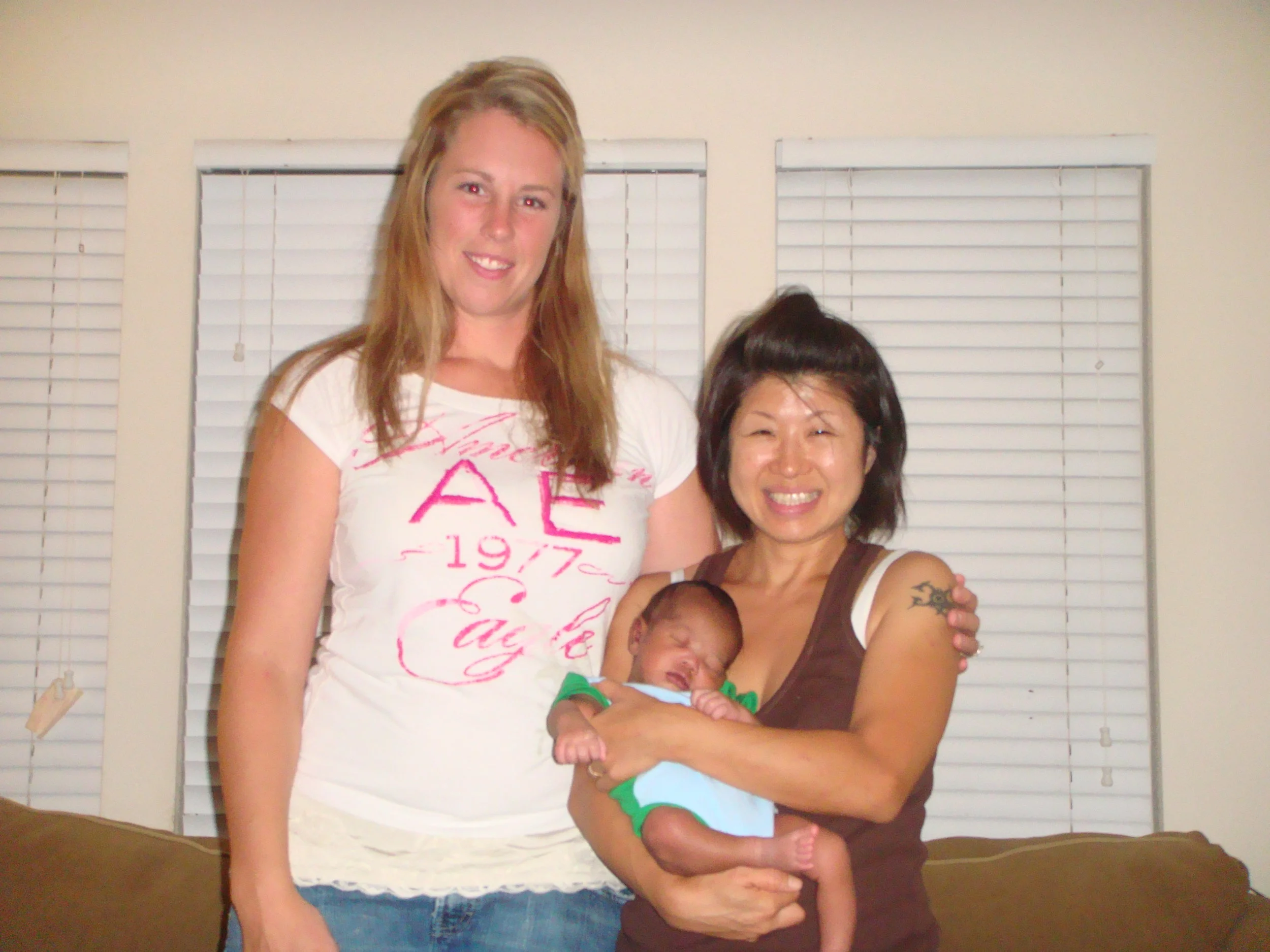
First doula client in California
My first experience as a doula remains vivid in my memory, especially now as I reflect on those early days when insurance coverage was just a brief overview in our trainings. Doula support at the core has remained steady, but everything else to do with it has rapidly evolved. I recall that birth walking through the halls of Naval Medical Center San Diego (Balboa), guiding my client through her contractions. Her husband was deployed, and I had volunteered with an organization that provided doula support for military families. While she was the first of many clients, I often think of her. Little did I know, that moment was the beginning of my journey to where I am today.
That initial foray into doula work plunged me into a world filled with unique challenges, navigating the regulations of overseas military bases, leading doulas when I was still learning as a newer doula myself, educating our military families and community as a whole about doulas. There were times when I’d be supporting families without a backup doula due to fellow doulas either moving or having a baby of their own. I often found myself in uncharted territory I was completely unprepared for, embracing the rhythm of the season, trusting my instincts and staying attuned to God's guidance. I prayed that I was making the right choices throughout the journey. I ventured alongside clients to learn about Japan's birth cultures and delved into SOFA status regulations when military families faced bogus restrictions on home births or placenta encapsulation, taught new doulas, built relationships with our local base programs and hospitals, said goodbye to many great doulas who became close friends. Consistency and continuity became a key player amidst the constant turnaround. When the time presented an opportunity I was able to attend a Senate of Armed Forces Committee Meeting back in the states and yes, I was that person who boldly handed out educational material to other attendees about doulas and the military. Not sure if that was allowed, but I did it anyways. Always hoping it would fall into the hands of the right person.

Camp Lester Naval Hospital, Okinawa. Photo Credit: Military Bases.Com
During this period, I dedicated myself to establishing private organizations on military bases and cultivating relationships within the Military Treatment Facility. I recalled advice to find a champion in the hospital, and I did—an incredible nurse who sadly lost her life and baby to HELLP syndrome. It would not be the only time a difficult circumstance resulted in another pivot. One particularly memorable moment this nurse and I had together; during a birth, the provider was visibly irritated as the parents asked questions to better understand their care. Afterward, she encouraged me to keep pushing forward despite the ongoing attitudes from some providers, a message that resonated deeply with me because at this point in time, I was one of the only active working doulas on island and I felt like I had no one in my corner to call and talk me through these experiences within the Military Healthcare System. Yet I persisted because there was a need for change and support not only for families but birth professionals who supported within and outside our military structure.
“ To all healthcare providers: if your hospital has a doula policy, I encourage you to review it, involve your trusted local doulas, and familiarize yourself with other certifying organizations. Ask your team what purpose does this serve and why it’s being implemented. I do not, as many others, align with just one certifying body, hold a membership, or answer to organizations that I am not certified through. Therefore, I will not be signing any policies that reflect them. ”
In the beginning there were times I would often look for support from my certifying body. They had little to no presence overseas, limited experience with military contexts nor did they offer support to fellow military spouses like myself. When I finally touched base, it was advised not to reinvent the wheel, but the reality was that there was no wheel to begin with. That was an eye opening experience which told me they were not in a place to provide guidance or feedback regarding doula support in the military system. Support and resources for birth professionals in my community were truly non existent aside from what was created on a local level. This was also a time before the internet became what it is today, making connections while living overseas resulted in limited access to information and being shared like it is today. Despite limitations, our community flourished. Ways were sought to educate military leaders, I participated in working groups on the island, and connected with larger organizations to raise awareness beyond the Pacific—even though we often felt dismissed or overlooked. No one wanted to talk about birth apparently even though there were glaringly big issues that needed addressed the system.
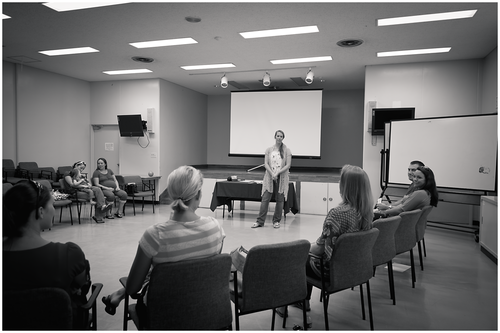
One of many educational group talks with military families.
At times, it seemed the hospital might stop allowing doulas altogether, and those moments were isolating. Eventually, I found strength in two remarkable mentors, Gerri Ryan and Linda Herrick, close friends and colleuges, and a military community that courageously advocated for better birth experiences and options. Despite harsh interactions and criticism from those unwilling to learn or support, I knew I was on the right path.
I remember discussing Tricare coverage with fellow doulas, feeling uncertain about where to begin. I just knew it had to come from the top. I never imagined that I’d be here today talking to you about Tricare and doula coverage, witnessing how everything seems to come full circle.
Here we are 2024 and I’ve been back stateside since 2017. When the news broke that Doula coverage for Military Families was being introduced as a bill, it was a moment filled with anticipation and apprehension. A group of doulas who had dedicated much of their careers to understanding the needs of military families came together to make formal recommendations to the appropriate personnel. Yet, no one ever reached out or followed up with us after it was submitted. To this day, when I read the Federal Register, I can’t help but notice some of the very same language from our documents appearing in there.
I remain skeptical that any doulas were consulted or had a seat at the table, despite our numerous meetings and phone calls. There are only so many people one can speak to before realizing they all seem to lead back to the same individuals.
Nearly three years after the CBSD demonstration was voted into the NDAA and integrated into Tricare, I anticipated challenges. Some of which I hadn’t foreseen or fully understood, especially since, as a doula, I’ve never worked with insurance. With many states now adopting Medicaid coverage, doulas are grappling with this new territory of billing, medical terminology, insurance codes, and everything else that comes with it. When this demonstration launches overseas, it limits access to coverage only in the private sector. It also creates another obstacle of military spouse employment, navigating SOFA status regulations, the ability of military spouses to work in host nations, and the fact that many military members give birth on base OCONUS limits access of the program those who are seen by a host nation provider.
Another shift I'm noticing is an increasing interest from organizations and businesses that are suddenly keen to connect with the military doula community, despite having shown little to no interest in the past 16 years of my experience as a doula. I can’t help but question whether their motives stem from a genuine desire to support our military birthing community or if they're simply looking to profit or gain influence. As a result, I’ve chosen to approach these interactions cautiously, especially with those who have never engaged with military doulas, birth professionals, or families, or who seem to have ulterior motives.
In closing this section, I find the current guidance from the DHA and its contractors to be quite chaotic. While one contractor has made commendable efforts to keep new doulas well-informed, the overall lack of support remains troubling. Recently, it has come to my attention that only one certifying body is being consulted by one of the Tricare contractors, despite its limited grasp of the unique needs within our military doula communities, both CONUS and OCONUS. This exclusive approach risks fostering inconsistencies and misunderstandings throughout the system.
More to come….

Tips to Becoming a Doula and Supporting Military Families
In recent years, the demand for doula support has surged, thanks in part to increased insurance coverage and growing recognition from larger companies. With the ease of access provided by the internet, doulas are becoming a familiar resource for expectant families.
In recent years, the demand for doula support has surged, thanks in part to increased insurance coverage and growing recognition from larger companies. With the ease of access provided by the internet, doulas are becoming a familiar resource for expectant families.
However, when it comes to military families, there’s still progress to be made. In the past two years, Tricare initiated a pilot program to cover doula services. While there’s much to explore and refine, positive changes are on the horizon. As this initiative develops, my hope is that it will become a permanent option, enabling more doulas to integrate into our Military communities—a goal I've passionately followed for over a decade.
With over 150 doula training organizations available, it can be daunting to figure out where to begin, especially when considering state-specific requirements if they exist. Navigating this landscape doesn’t have to be overwhelming; let’s break it down together and help you get started towards becoming a certified doula and providing support.
Tip 1: Choose a workshop time and location with Oceanside Doula Trainings.
CAPPA is a recognized organization by Tricare. I offer both online and in-person workshops to accommodate your needs. If there aren’t any upcoming sessions in your area, consider organizing one!
Tip 2: Verify Your MyCAA Eligibility
Explore your eligibility for the MyCAA program, which can provide additional funding to help you get started on your path.
Tip 3: Don’t let finances stand in the way
Whether you’re utilizing funding or self-paying, enrolling in a workshop is crucial. The initial investment can be around $1,000, but don’t let that intimidate you. You can take your time and pace yourself. The first step is to secure your spot in a workshop.
Final Tip: Stay Connected
I’m here to help! If you have any questions, feel free to reach out. Having worked with Tricare since the inception of this pilot program and as a military spouse (retired) for 26 years, I understand how essential it is to increase the number of doulas in our system. Let’s make this journey together!

Empowering Military Spouses: My Mission with Doula Trainings and the Military Community
With a passion for empowering military spouses and a career that can follow you from one duty station to another, my initiative provides not only valuable skills but also a sense of purpose and community by offering a transformative opportunity through labor doula trainings.
Military life is characterized by unique challenges, often impacting not only the service member but also their families. Among those affected are military spouses, who juggle responsibilities, employment concerns and face uncertainties while supporting their partners' service commitments. With a passion for empowering military spouses and a career that can follow you from one duty station to another, my initiative provides not only valuable skills but also a sense of purpose and community by offering a transformative opportunity through labor doula trainings.
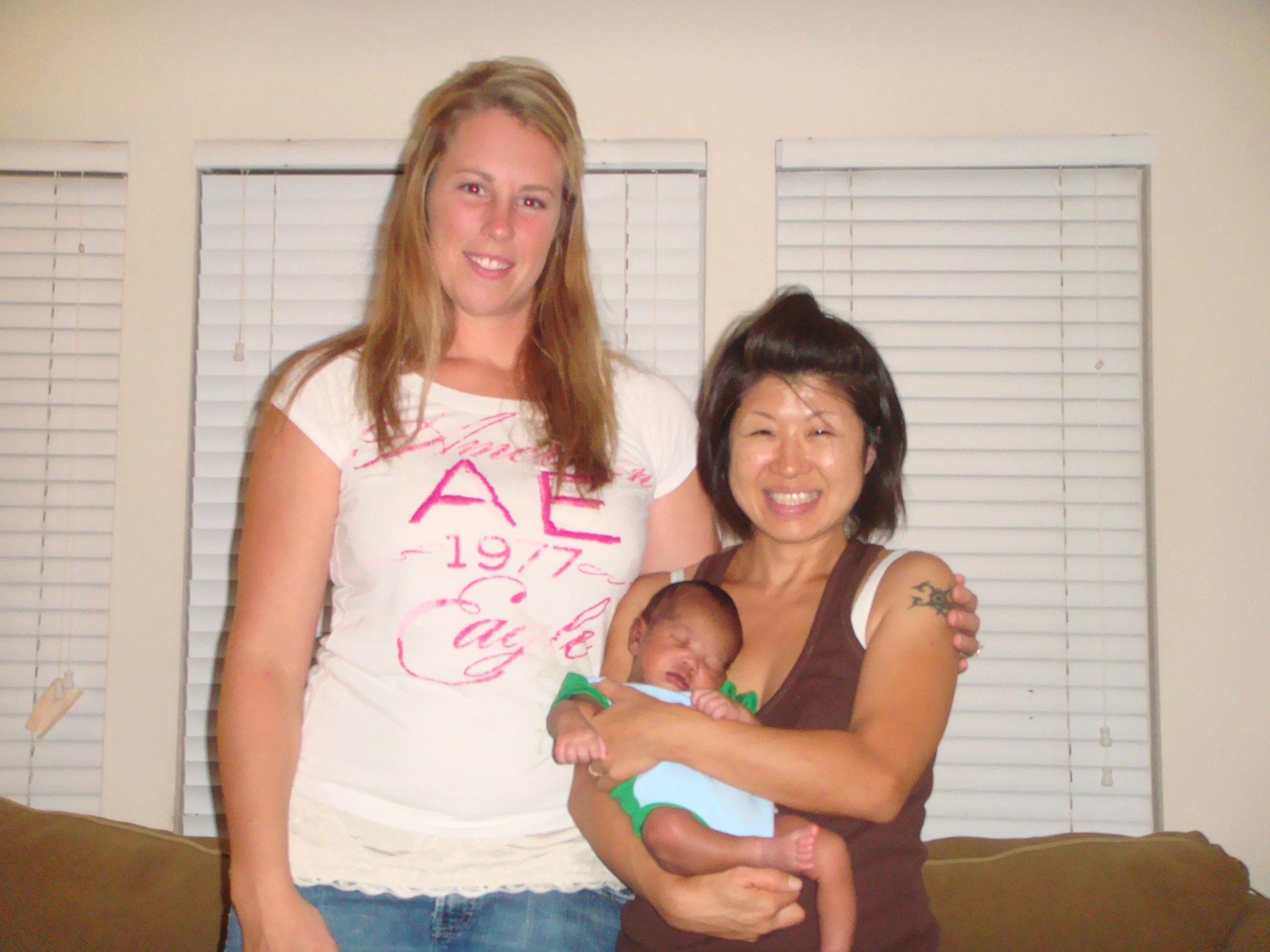
Amanda’s first doula client in California.
The role of a doula is to provide continuous physical, emotional, and informational support to expectant mothers before, during, and after childbirth. However, the role of a military doula extends beyond typical doula responsibilities. Doulas can also gain insight and understand the unique challenges faced by military families, such as frequent relocations, deployments, and the absence of extended family support networks. Doulas can offer specialized assistance tailored to the needs of military spouses, providing a comforting presence during times of separation or uncertainty.
My journey into the world of supporting my community and offering services is deeply rooted in my personal experiences as a military spouse. Having navigated the intricacies of military life, I understand the isolation and stress that can accompany pregnancy and childbirth within the military community. Determined to make a difference, I’ve embarked on a mission to equip military spouses with the tools and knowledge needed to support themselves and their peers during one of life's most significant events.
Starting a journey to become a doula can serve as a lifeline for military spouses, offering them a pathway to empowerment and self-sufficiency. Through the comprehensive CAPPA training program, participants learn essential doula skills, including labor support techniques, and more. Aside from the doula training my goal is to integrate military-specific topics, such as navigating Tricare benefits, understanding where the need is and setting up a business while moving around every few years.

Beyond skill development, I want to foster a sense of community among military spouses those who desire to support our families. Participants find solace in connecting with others who share similar experiences and challenges. This sense of camaraderie extends beyond the training room, as doulas form support networks that endure long after the program concludes. By creating a supportive community, we can empower military spouses to thrive amidst the uncertainties of military life.
The impact of a doula training reverberates far beyond the individuals directly involved. By equipping military spouses with valuable skills and fostering a supportive community, we contribute to the overall well-being of military families. As my initiative continues to grow, I envision expanding my reach to serve even more military spouses across the globe. Through ongoing education, advocacy, and collaboration, my goal is to remain steadfast in my commitment to empowering military families and strengthening the bonds that unite them.
Amanda Dodson's dedication to providing military doula trainings for military spouses exemplifies the power of compassion, resilience, and community. By recognizing the unique needs of military families and offering targeted support, Dodson ignites positive change within a community that often faces significant challenges. As military spouses embrace their roles as doulas and support each other through the joys and trials of childbirth, Dodson's vision of empowerment becomes a reality, enriching the lives of countless individuals along the way.

Emily's Birth Story
On Thursday at work before HypnoBirthing class, I was pretty sure I lost some of my mucus plug and was experiencing light cramping. I had an ob appointment scheduled for the next day so I decided to wait and ask them unless things got worse.
On Friday, I told my midwife what happened and she asked if I’d like my cervix to be checked. She said it wasn’t necessary but if I was curious then I could know. I did want to know just to see if I should possibly be prepared for labor sooner than later. Sure enough I was 2-3 cm dilated and 50% effaced, but she said this could mean I’m having a baby in a few days or a few weeks. She said I didn’t have to come to the hospital until I couldn’t talk through a surge.
On Saturday and Sunday I was still experiencing some mucus like discharge but no real changes in terms of surges or pain. But then when I went to bed on Sunday night, I woke up a few hours later at midnight having surges (felt like back cramps) . They weren’t super strong and there wasn’t a clear pattern to how far apart they were, so I practiced my breathing we learned in the class and even listened to the script from the last class again. This really helped and I was able to get some extra sleep (on and off).
By 4 am they were getting stronger, so I took a shower to help and to get ready for the hospital. After my shower I woke up Jimmy around 445 and said he should probably get ready to go. We didn’t rush out the door, just took our time, and I think my water may have broken around 530. I went to the bathroom and it looked like my bloody show and lots of watery discharge.
We were on our way to the hospital by 6am and got checked in by 630. At this point admittedly, my HypnoBirthing practice went out the window a little bit. I had told Jimmy I was open to an epidural when we got to the hospital to help the pain and my breathing was not great.
When we went into triage my midwife checked me and I was at 8 cm. She told me we probably didn’t have time for an epidural and sure enough we didn’t. We got moved to a room shortly after and I could feel the pressure to push already. My midwife instructed me on what to do (I will say my mind was resisting the instruction to push when my body wasn’t telling me to at certain points but most of the time it was naturally coming with the surges anyway) but I powered through and with 3-4 pushes our baby was born!
I give all the credit to what Amanda taught us that allowed me to labor at home for so long, making my labor and delivery very short at the hospital. So thank you Amanda, and cheers to hypnobirthing! I wish you all the best with your upcoming deliveries. You got this mamas!

Is it 2022 already?
This year went by so fast. I can honestly say I feel like I blinked and here we are. January 1st, 2022.
There were a lot of very big changes for my family in 2021. We were barely coming out of 2020 and recovering from what seemed like a rollercoaster ride after my husband lost is step mom and the beginning fo 2020 and within a few short months, he unexpectedly lost his only brother. We kind of floated through the remainder of 2020. Keeping our lives a bit on the quiet side after my husband underwent a pretty big surgery in the fall of 2020.
Enter 2021.
We knew the first of the year would be a little slower and gave us a little breathing room as we knew once the end of spring came around it was time to jump on the freight train and hold on tight.

Our oldest daughter got engaged at the beginning of the 2021. We had a feeling it was coming. But I’m not sure if a parents heart is ever quite ready for trusting a young man with your daughter. It took my husband a little longer to accept the fact his daughter was growing up. I knew she was and ready to start watching her blossom into her womanhood. I am very proud of the young woman she is becoming.
My son graduated from high school and left for college in the fall. I am so very proud of him. He has really blossomed and is becoming such a respectable and honorable young man. I want to tell my clients to snuggle their little ones as long as they can, because time truly does go by quickly. I do miss him a lot. He will always be my little boy even though he towers over me by at least two inches. AND I AM 6’2”!


From that point it was non stop. Probably some of the biggest milestones of our lives happened just within a month of each other. My husband hung up is uniform and retired from the USMC after serving 29 years. This has been a huge transition for us. I have spent 23 years of my life traveling the world with him. It’s the only life our kids have ever known. And I probably wouldn’t be where I am at today as a doula and childbirth educator had the military of not provided opportunities to experience different duty stations and living overseas for the majority of our time in the military. We knew it was a long time coming and it was time to move onto the next season of our life.


Remember our daughter getting engaged earlier in the year? I forgot to mention they set their date for Nov 2021.
So not only did we have a retirement to prep for, a wedding was on the schedule.
I see why people hire a wedding planner. We didn’t. We should have. We will know better for next time. But I am ok if that is NOT for awhile.
On Nov 13th, 2021, we celebrated the union of our daughter and her new husband. It was a whirlwind and I feel like we are still trying to come down from it all.
Of course, in true doula fashion, I had a client on the books and she delivered a beautiful baby boy just a few days after the wedding.
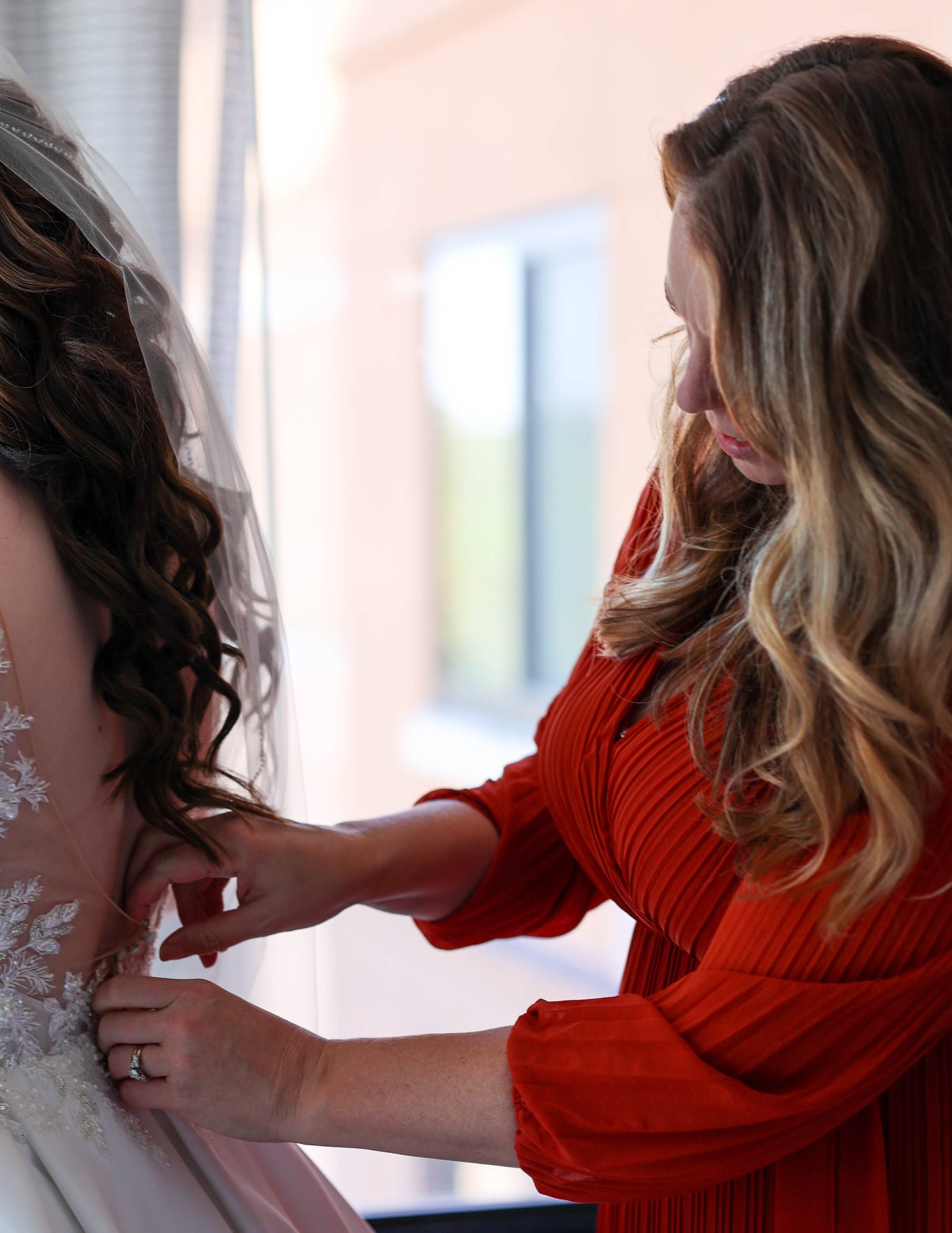
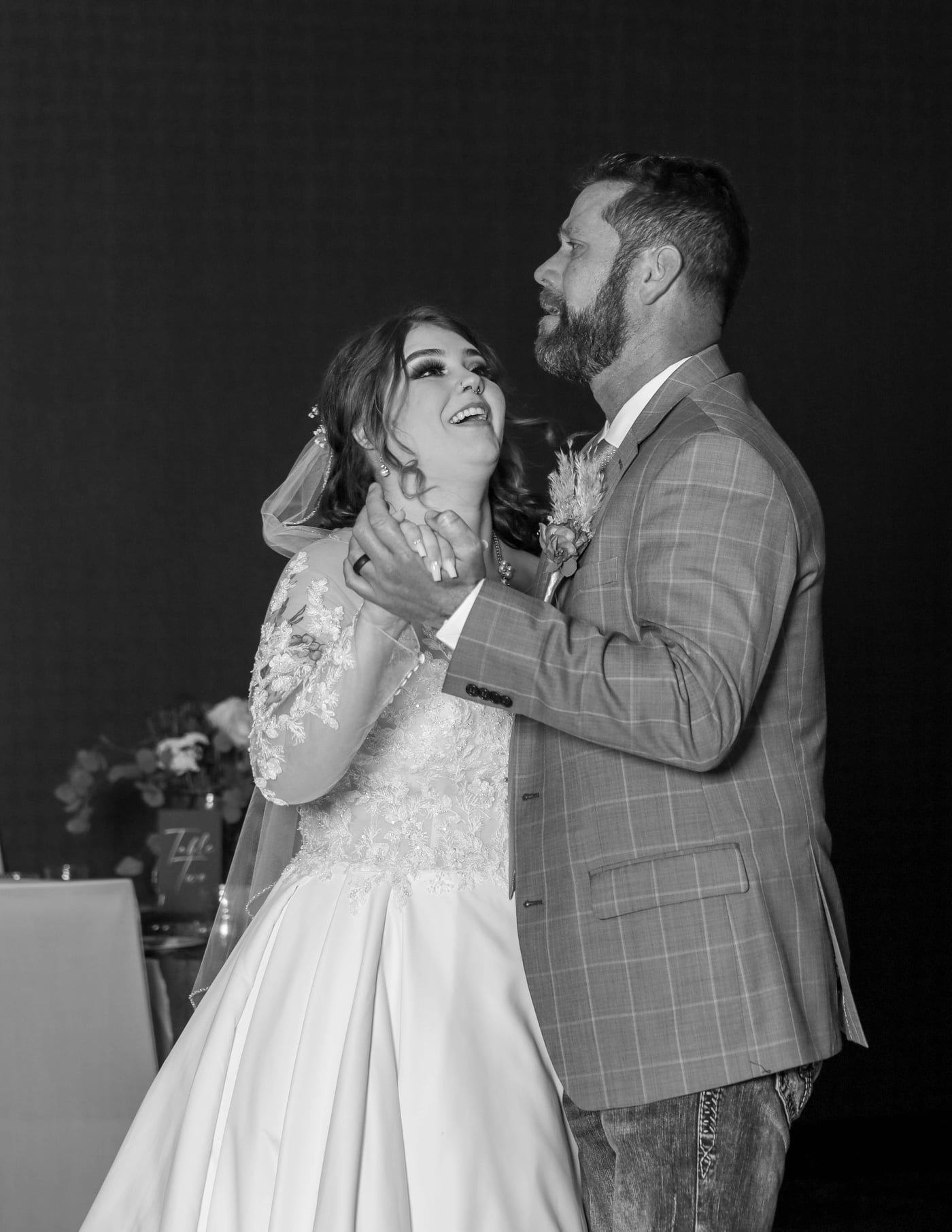
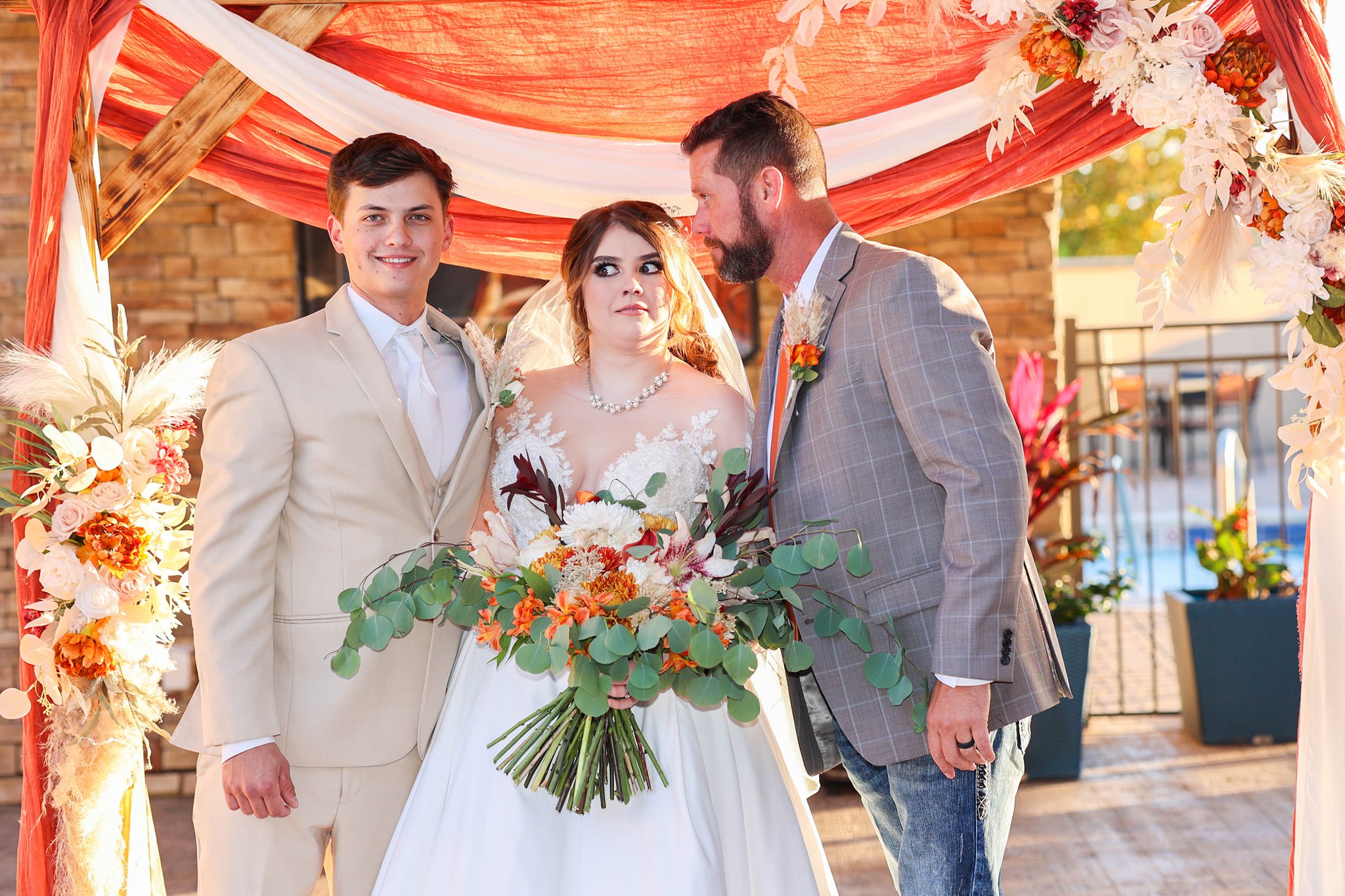
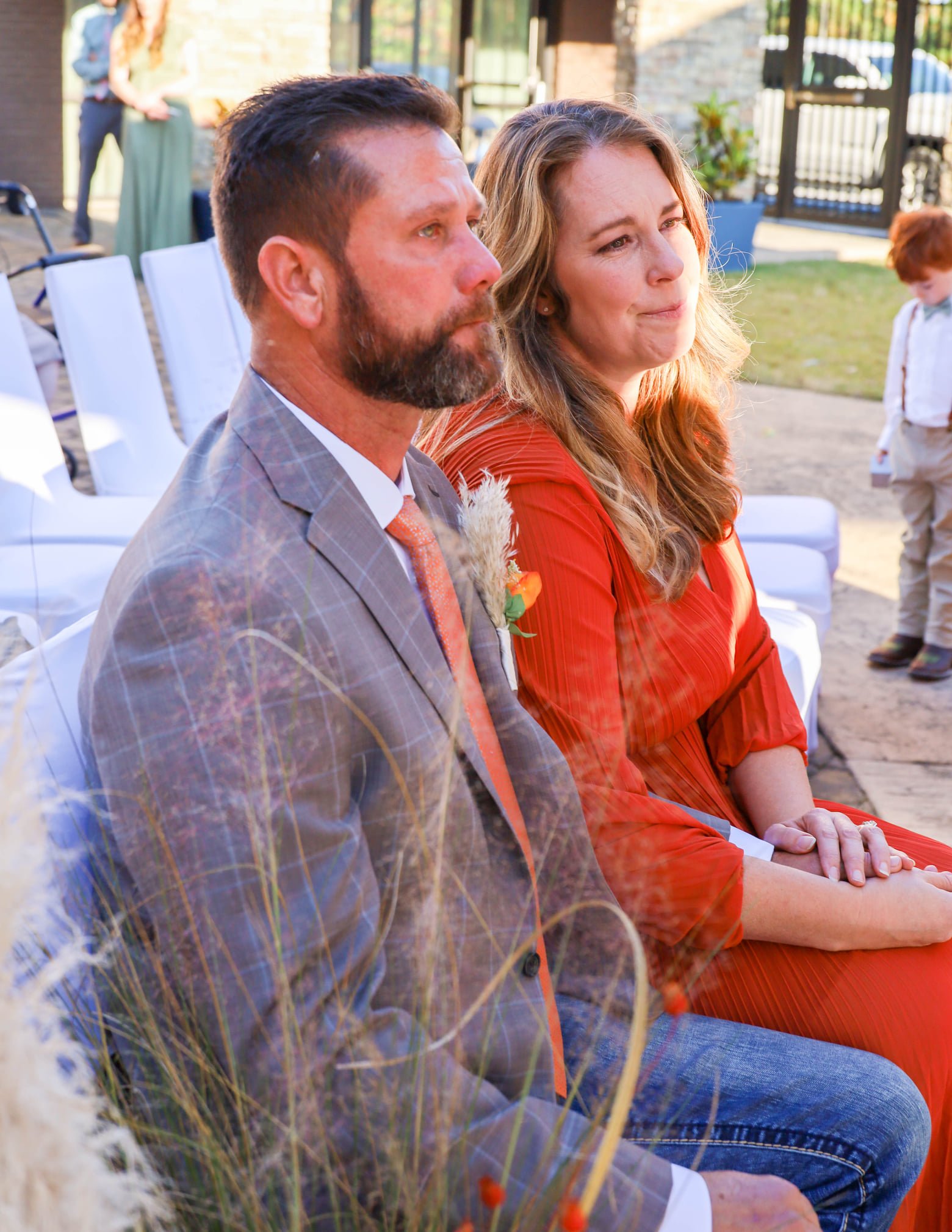
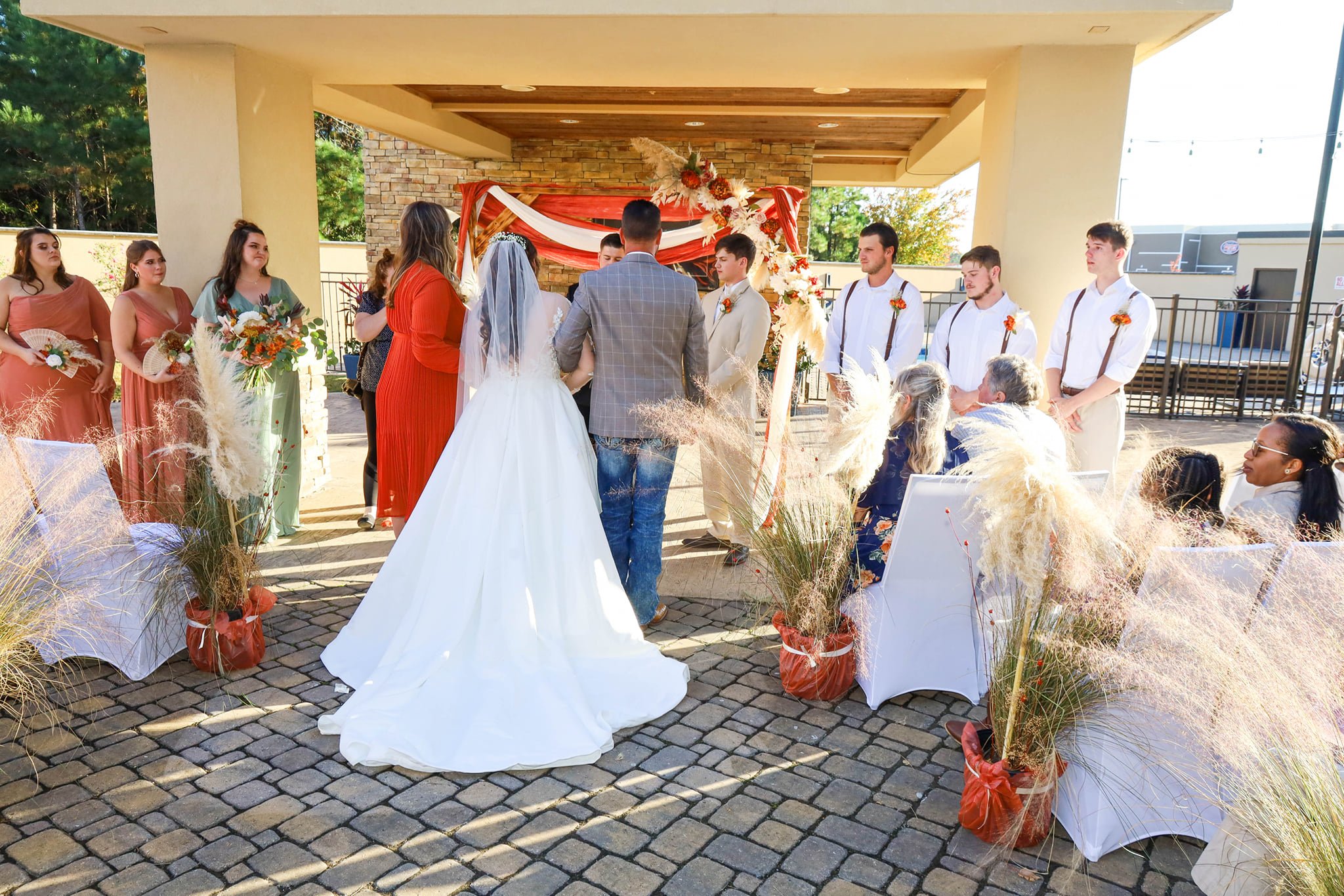
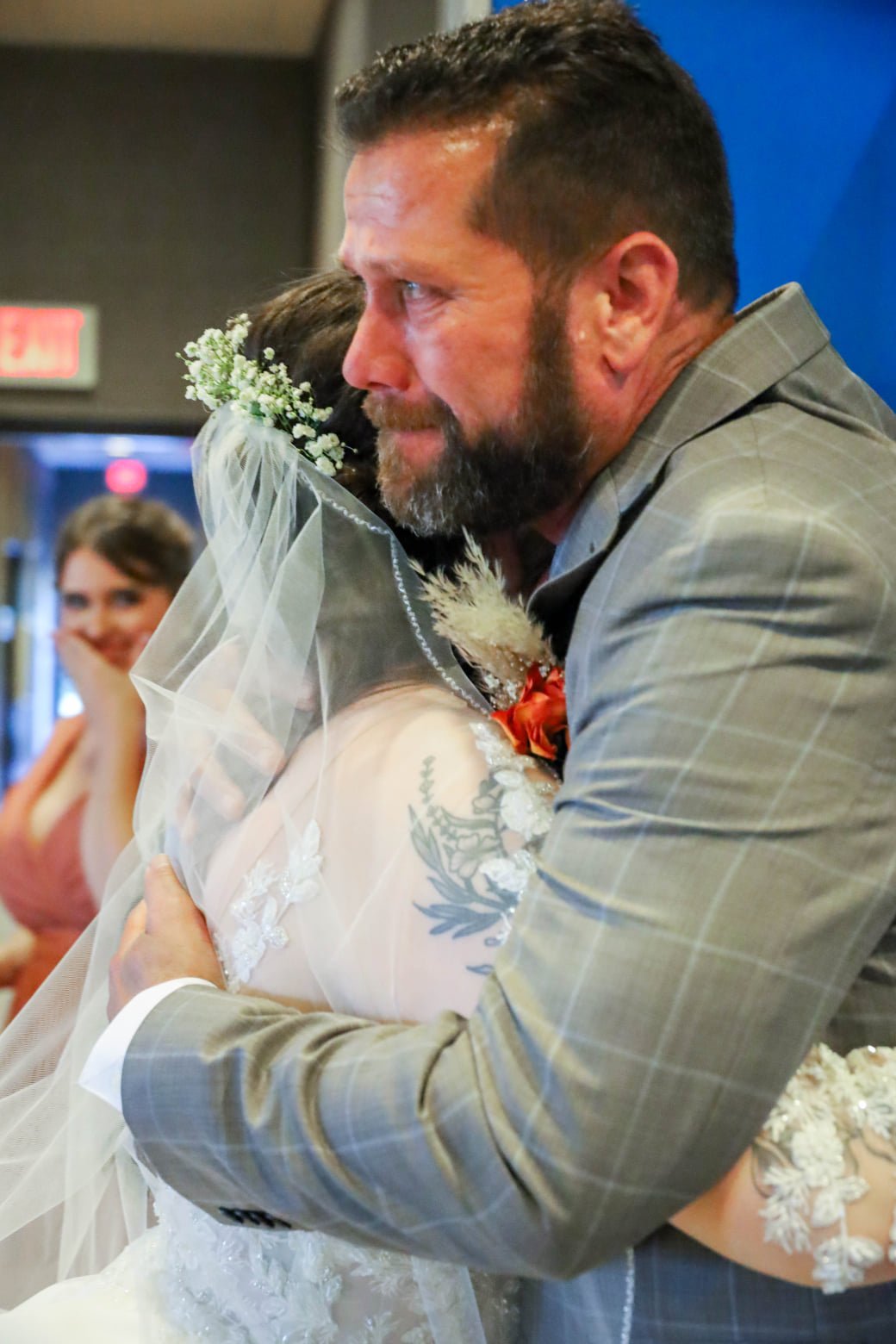
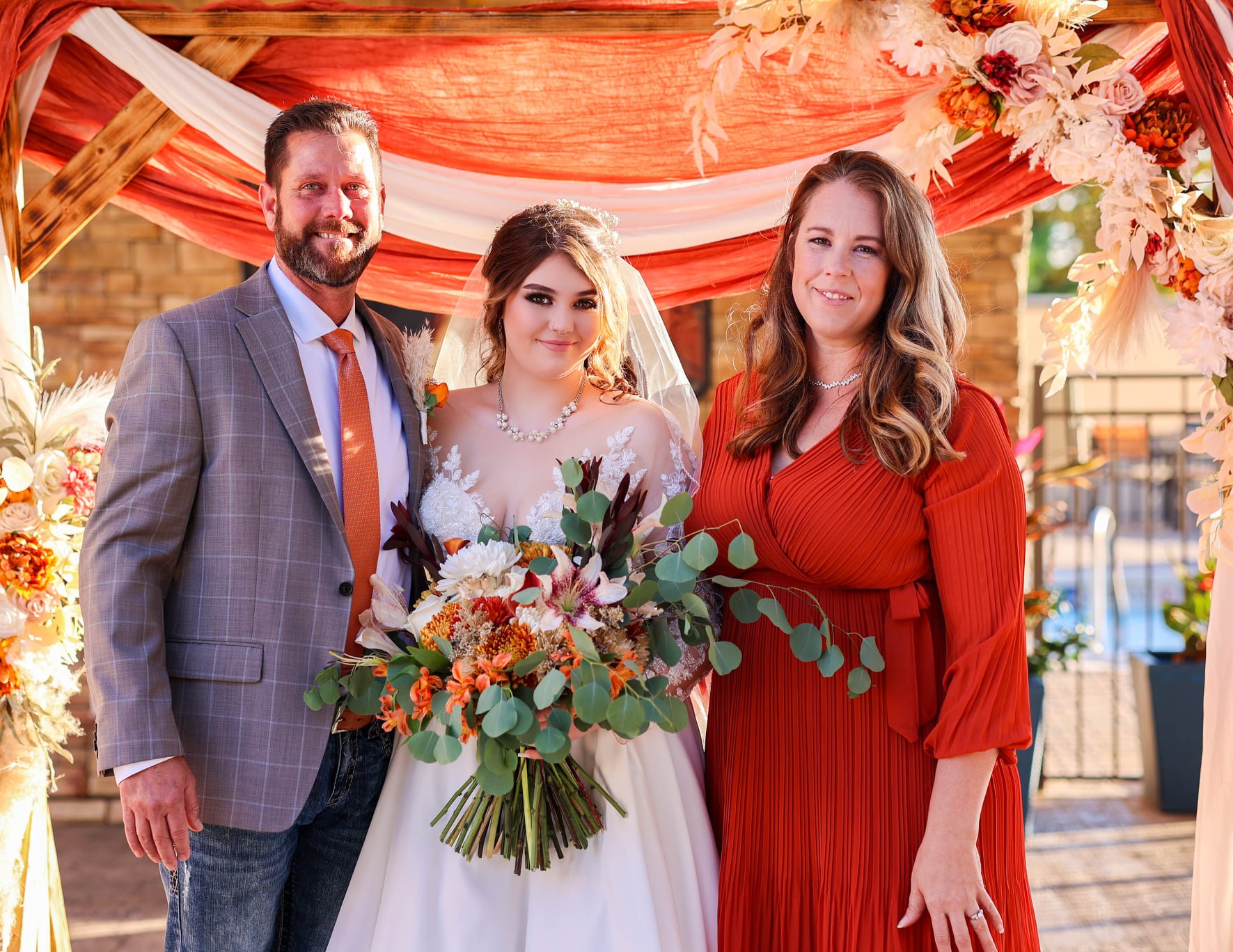
Photo Credit to Jason & Kate Photography, LLC.
To say the least Christmas was pretty low key this year and we tried our best to just relax. Until we all got sick the day after Christmas. But thank goodness we are on the mend and finally feeling better.
I am now just taking the time to reconvene and start envisioning what 2022 is going to look like. By nature I am a planner, I like things in order with some structure and a plan. It has been a very big adjustment letting go of some of those things. More so on the business side this past year. I did have quite a few births throughout 2021 and there were some that really took every skill I had as a doula to support these parents as they had to fight for their birth. There were times I didn’t feel like I met everyone’s needs because of everything we had going on. I am truly thankful for the wonderful families I did get to serve. And that they were very understanding of the shifts and adjustments we were going through as a family.
I do have some apprehensions as to what is to come in 2022. Things have just not quite been the same since covid. But I will keep pressing on and lean on God as we navigate the road ahead.